Buy para5.eu ?
We are moving the project
para5.eu .
Are you interested in purchasing the domain
para5.eu ?
domain@kv-gmbh.de · 0541-91531010
Buy para5.eu ?
What is the name of this mobile phone song Ai di di di di di di dai? I think it's a Russian song.
The song you are referring to is "Ai, Ai, Ai" by the Russian artist Polina Gagarina. It is a popular Russian pop song that gained international recognition. The catchy melody and upbeat rhythm have made it a favorite for mobile phone ringtones and music downloads. If you enjoy this song, you may also like other hits by Polina Gagarina. **
From which years are Asti Spumante No. 22725 and 51831?
Asti Spumante No. 22725 was produced between 1960 and 1969, while Asti Spumante No. 51831 was produced between 1970 and 1979. These two Asti Spumante vintages are from different decades, with No. 22725 being from the 1960s and No. 51831 from the 1970s. **
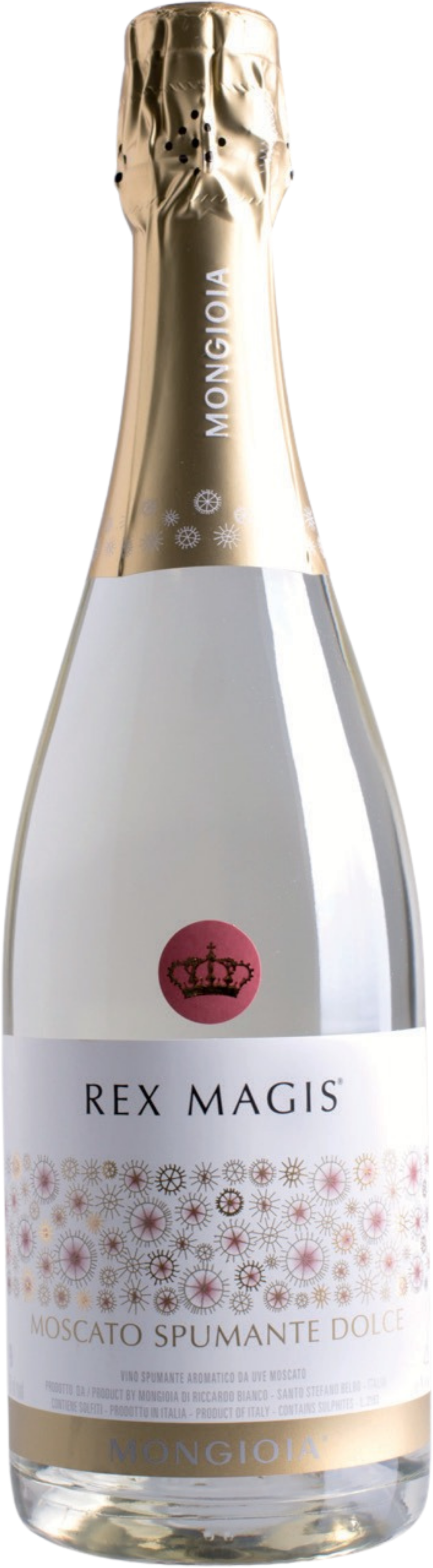
Similar search terms for Spumante-Dolce-di-Moscato
Top-Angebote
Products related to Spumante-Dolce-di-Moscato:
-
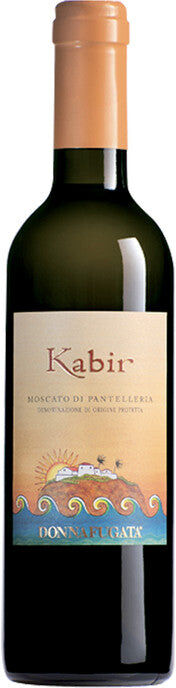
Moscato di Pantelleria 'Kabir' Donnafugata 2022 - 37.5clIl Kabir Donnafugata è una dolce e piacevole espressione di Zibibbo dell’isola di Pantelleria, chiamato anche Moscato di Alessandria. Si tratta di un vino dolce naturale, cioè ottenuto da mosto fresco, senza ricorrere ad appassimento delle uve e senza aggiunta di alcool. Il suo nome, così come il suo esuberante profilo aromatico, è un tributo alla cultura e alle tradizioni arabe dell’isola. “Kabir” significa infatti “Il Grande” in lingua araba e si riferisce alla ricchezza di profumi e aromi che lo caratterizzano. Le uve Zibibbo vengono raccolte in leggere sovramaturazione durante il mese di settembre da vecchie viti ad alberello basso pantesco di oltre 100 anni di età. I vigneti sono disposti in terrazzamenti sui terreni sabbiosi vulcanici di Pantelleria e ogni singola pianta è protetta da piccole conche scavate nel terreno, che servono come riparo dal vento e dal sole. Si tratta di un paesaggio suggestivo e di grande fascino, riconosciuto dall’UNESCO come Patrimonio Mondiale dell’Umanità. Le condizioni naturali e pedoclimatiche rendono disagevole la coltivazione sull’isola, per questo si può parlare di viticoltura eroica. Le uve raccolte vengono portate in cantina e sottoposte a una pigiatura soffice, cui segue la fermentazione in acciaio e una breve maturazione per qualche mese in vasche d’acciaio e poi in bottiglia. Questo procedimento permette la conservazione di un buon residuo zuccherino di circa 110 g/l e una contenuta gradazione alcolica; caratteristiche che garantiscono al vino una grande piacevolezza di beva giocata su dolcezza, freschezza e intensità. Il Moscato di Pantelleria “Kabir” può essere considerato come un vino da dessert ma può essere abbinato con originalità alle acciughe, al pesce affumicato, ai formaggi caprini, a quelli stagionati o erborinati. Si presenta vestito di un manto giallo paglierino tendente al dorato, di buona consistenza, regalando con generosità profumi territoriali di fiori d’arancio, frutta esotica e scorza di agrumi. Questi sentori dolci si integrano a piacevoli sfumature minerali di pietra focaia. Al palato è dolce, morbido, fresco e immediato. Armonia, tradizione e grande piacevolezza di beva sono la sintesi di un bicchiere di questo Zibibbo. A volte sembra di sentire il mare infrangersi sulle coste assolate e luminose di Pantelleria.12,00 £*Shipping: 48,00 £Secure redirect to the provider
-
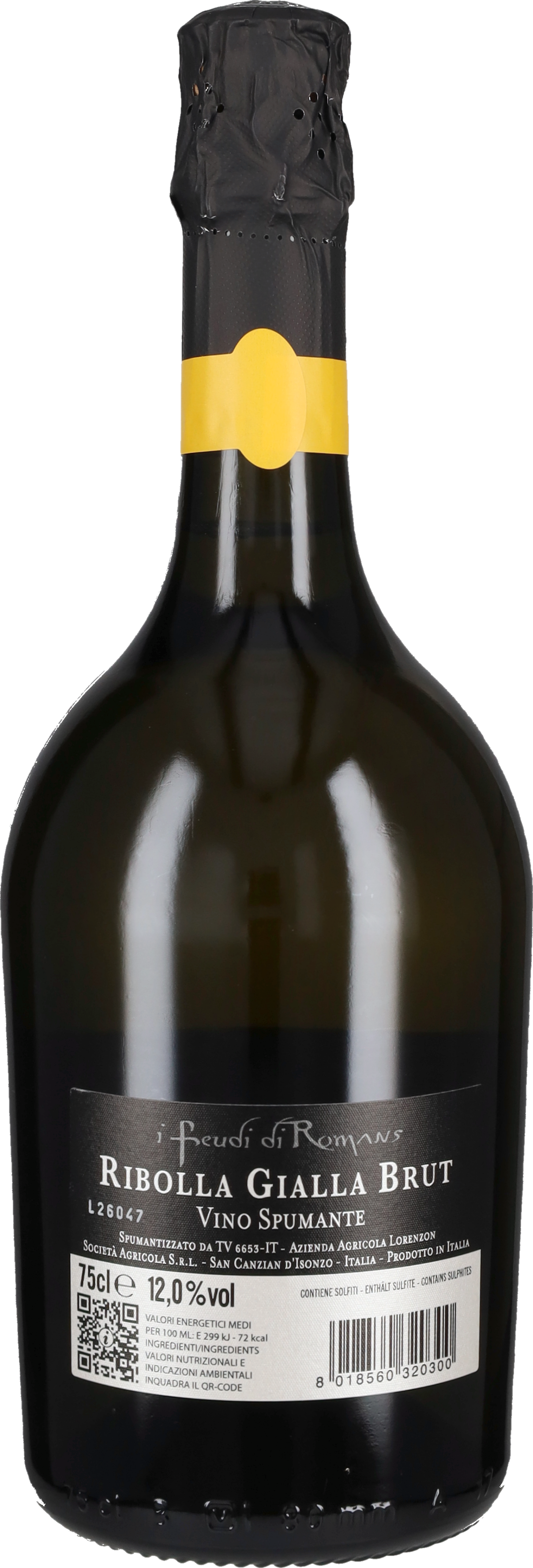
Spumante Brut di Ribolla Gialla Feudi di RomansThe Spumante Brut Ribolla Gialla by Feudi di Romans is a bottle that offers the immediate and fragrant pleasure typical of labels made with the Martinotti or Charmat Method. Ribolla Gialla, thanks to its delicate aromas and great citrus freshness, is one of the most suitable native Italian grape varieties for sparkling wine production. In the lower Isonzo area, it expresses elegant and subtle wines, with an aromatic profile characterized by notes of white fruit and slight floral hints, which is enhanced by the sparkling wine process in autoclave. It is a simple and easy bottle, perfect to enjoy as an aperitif or with seafood appetizers. The Brut Ribolla Gialla is a sparkling wine produced in the Friuli Isonzo area, by one of the most important producers in the region. Feudi di Romans was founded in the 1950s from the fortunate intuition of seeing potential in this area to make great wines with the classic grape varieties of the region: Ribolla Gialla, Friulano, Chardonnay, Merlot, Pinot Nero, Malvasia, Sauvignon, and Pinot Grigio. The Ribolla Gialla grapes come from vineyards cultivated in near San Canzian d'Isonzo, on alluvial soils made up of pebbles, gravel, and sands deposited by the Isonzo over the millennia. At the end of the harvest, the bunches are destemmed and the grapes are gently pressed. The free-run must is started for fermentation in stainless steel tanks at a temperature of 16 °C for a couple of weeks. After a short aging, the base wines are transferred to autoclave for sparkling wine production and refermentation according to the Martinotti or Charmat Method, which lasts about 3 months. After filtration, the wine is bottled. The Ribolla Gialla Spumante Brut by Feudi di Romans is the ideal bottle to enjoy when you crave a fresh and easy sparkling wine. In the glass, it presents a pale straw yellow color with slight greenish reflections and a fine and persistent perlage. Subtle and elegant, it expresses aromas reminiscent of orange blossom, lime zest, citrus fruits, white-fleshed fruit, and fresh almond. The sip is tense and clear, with creamy fruit and a savory finish of great freshness.A label to discover the sparkling face of Ribolla Gialla.11,00 £*Shipping: 48,00 £Secure redirect to the provider
-
Cantina di Caldaro - Kellerei Kaltern Moscato Rosa Cantina di Caldaro Kaltern 2025The Moscato Rosa from Cantina di Caldaro – Kellerei Kaltern is a slightly sweet rosé wine that captures attention with its fragrant aromatic hints. Moscato Rosa, known as "Rosenmuskateller" in South Tyrol, is a variety belonging to the vast family of Moscato, whose origin is shrouded in mystery. Many scholars hypothesize that this grape arrived in the West from the East, brought by a spice merchant. What is certain is that Moscato Rosa has been cultivated in South Tyrol, specifically in the Caldaro area, since the 19th century. Regarding the adjective "rosa", it seems to derive not so much from the color of the grapes, which are rather bluish-violet, but from the characteristic scents of rose petals expressed by the wine.Kellerei Kaltern – Cantina di Caldaro Moscato Rosa is a pure expression of the eponymous aromatic grape variety from vines that are partly over 20 years old. Following the harvest, the bunches are brought to the winery, where alcoholic fermentation takes place in temperature-controlled stainless steel tanks, with about one week of skin maceration. The wine remains in stainless steel,aged on the fine lees for 4 months, after which it is bottled with a residual sugar of 35 g/l.The Moscato Rosa Rosenmuskateller from Cantina di Caldaro – Kellerei Kaltern has a bright cherry red color. From the glass, fragrant aromatic hints of lychee, rose petals, and citrus emerge, combined with notes of pink pepper. The taste is harmonious, in excellent balance between the moderate sweetness and pleasant freshness, with the characteristic floral finish of the grape variety. Despite the not excessive residual sugar, this Moscato Rosa pairs wonderfully with traditional South Tyrolean desserts, such as strudel or krapfen.11,00 £*Shipping: 48,00 £Secure redirect to the provider
-
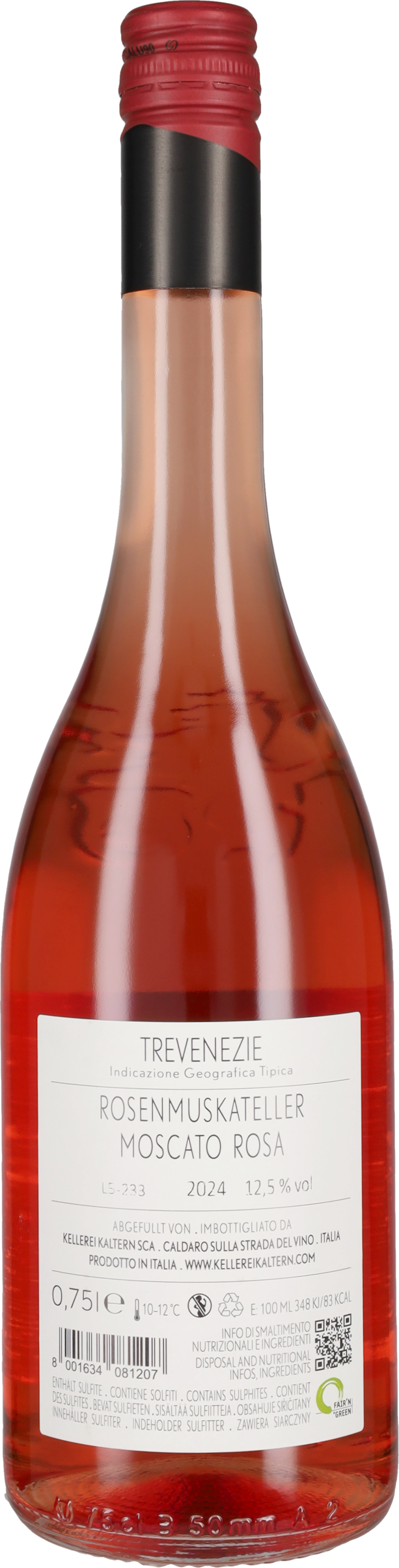
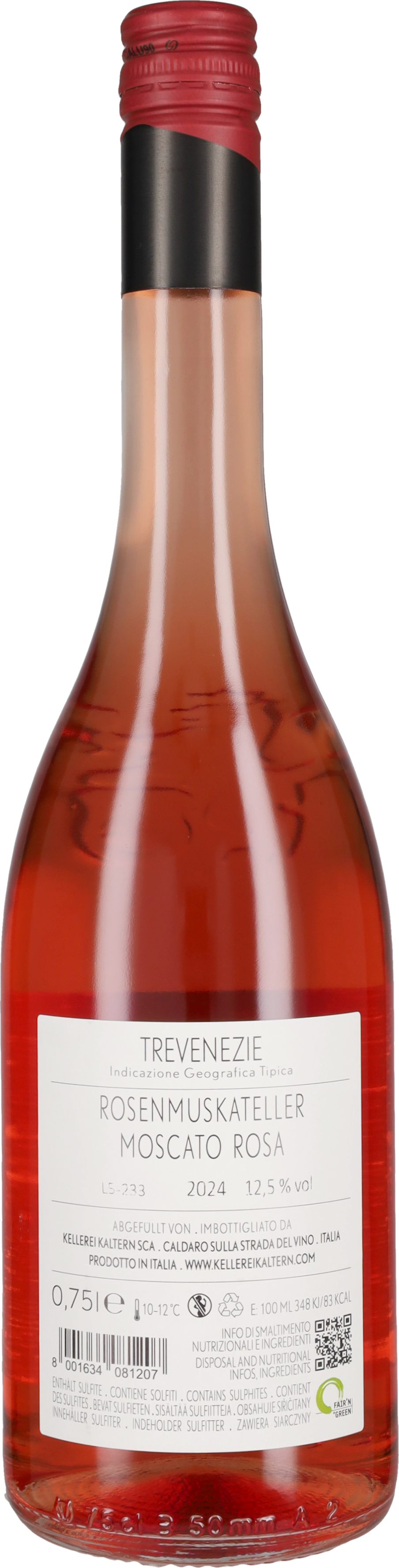
Cantina di Caldaro - Kellerei Kaltern Moscato Rosa Cantina di Caldaro Kaltern 2024Il Moscato Rosa di Cantina di Caldaro – Kellerei Kaltern è un vino rosato leggermente dolce in grado di catturare l’attenzione con i suoi fragranti richiami aromatici. Il Moscato Rosa, noto come “Rosenmuskateller” in Alto Adige, è una varietà appartenente alla vasta famiglia dei Moscati la cui origine è avvolta nel mistero. Molti studiosi ipotizzano che quest’uva sia giunta in Occidente dall’Oriente, portata da un mercante di spezie. Certo è che il Moscato Rosa viene coltivato in Alto Adige, precisamente nella zona di Caldaro, fin dal XIX secolo. Riguardo l’aggettivo “rosa” questo sembrerebbe derivare non tanto dal colore degli acini, che sono piuttosto di un blu-violaceo, quanto dai caratteristici profumi di petali di rosa che esprime il vino.Kellerei Kaltern – Cantina di Caldaro Moscato Rosa è un’espressione in purezza dell’omonimo vitigno aromatico da viti che in parte superano i 20 anni di età. A seguito della raccolta i grappoli vengono portati in cantina, dove la fermentazione alcolica si realizza in vasche di acciaio inox a temperatura controllata, con circa una settimana di macerazione pellicolare. Sempre in acciaio il vino resta a maturare sulle fecce fini per 4 mesi, al termine dei quali viene imbottigliato con un residuo zuccherino di 35 g/l.Il Moscato Rosa Rosenmuskateller di Cantina di Caldaro – Kellerei Kaltern ha un colore rosso ciliegia brillante. Dal calice affiorano fragranti richiami aromatici di litchi, petali di rosa e agrumi, uniti a cenni di pepe rosa. Il gusto è armonico, in ottimo equilibrio tra la contenuta dolcezza e la freschezza piacevole, con la tipicachiusura floreale caratteristica del vitigno. Nonostante il residuo zuccherino non eccessivo, questo Moscato Rosa si abbina splendidamente con i dolci della tradizione altoatesina, come lo strudel o i krapfen.11,00 £*Shipping: 48,00 £Secure redirect to the provider
-
From which years are Asti Spumante No. 22725 and 51831 from?
Asti Spumante No. 22725 is from the years 2010-2019, while Asti Spumante No. 51831 is from the years 2020-2029. **
-
Is the Dolce Gusto defective?
There have been reports of some Dolce Gusto machines experiencing issues such as leaking water or inconsistent brewing. While these issues may be frustrating for some users, it does not necessarily mean that all Dolce Gusto machines are defective. It is important to remember that individual experiences may vary, and it is always recommended to contact the manufacturer or retailer for assistance if you encounter any problems with your machine. **
-
What does 'Rucke di guck, Rucke di guck, Blut ist im Schuh' mean?
"Rucke di guck, Rucke di guck, Blut ist im Schuh" is a German nursery rhyme that translates to "Rock-a-bye baby, blood is in the shoe" in English. The rhyme is a traditional lullaby that tells the story of a baby being rocked to sleep while blood is found in their shoe, which is a metaphor for the baby being cared for and protected. The rhyme is meant to soothe and comfort children as they drift off to sleep. **
-
How did Lady Di die?
Lady Diana, Princess of Wales, died in a car crash on August 31, 1997, in Paris, France. The car she was traveling in crashed in the Pont de l'Alma tunnel while being pursued by paparazzi. The crash resulted in her tragic death, along with her companion Dodi Fayed and their driver Henri Paul. The exact circumstances surrounding the crash have been the subject of much speculation and controversy. **
What is Lido di Ostia?
Lido di Ostia is a popular seaside resort town located near Rome, Italy. It is known for its long sandy beaches, lively promenade, and vibrant nightlife. Many locals and tourists visit Lido di Ostia to enjoy the sun, sea, and various water sports activities. The town also has a number of restaurants, bars, and shops, making it a popular destination for day trips from Rome. **
What is Lido di Jesolo?
Lido di Jesolo is a popular seaside resort town located on the Adriatic coast of Italy. It is known for its long sandy beaches, vibrant nightlife, and family-friendly atmosphere. Lido di Jesolo offers a wide range of hotels, restaurants, and entertainment options, making it a popular destination for tourists looking for a beach holiday in Italy. The town also has a beautiful promenade lined with shops, bars, and cafes, making it a lively and enjoyable place to visit. **
Top-Angebote
Products related to Spumante-Dolce-di-Moscato:
-
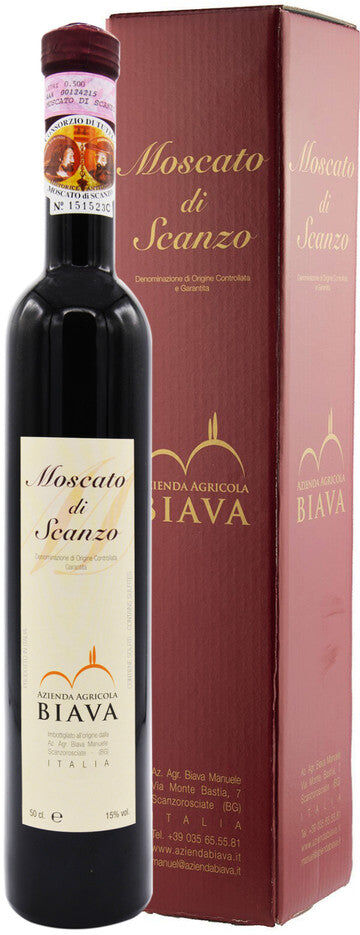
Moscato di Scanzo Biava 2018 - 50clThe Moscato di Scanzo from the Biava winery is a flagship of its type, which has made the Lombard town of Scanzorosciate famous among wine lovers everywhere. It is obtained from the homonymous indigenous variety, thus indissolubly linking it to its territory of origin, which has seen it gradually establish itself among the most appreciated Italian sweet wines. It is indeed a rare red passito, loved since antiquity for its aromatic profile and its seductive sweetness. Already in the 1300s, the Moscato di Scanzo imported by Roman colonists delighted tables and banquets, giving its touch of elegance and extreme pleasantness. The Biava winery is nestled among the hills of Bergamo and draws the best essence of the territory from them, which reaches its peak precisely in the noble Moscato di Scanzo. Biava Moscato di Scanzo is obtained from 100% of the homonymous Moscato di Scanzo grape, indigenous to the Bergamasca region. The vineyards owned by Biava enjoy optimal sun exposure which, together with the particular mild microclimate, allows for the cultivation of grapes with great potential. A yield among the lowest existing in the Italian wine landscape defines Biava's working method, which is always oriented towards absolute quality. After a very careful selection, the bunches are harvested and placed on racks to dry for a minimum period of 40 days. At the time of vinification, carried out by indigenous yeasts, the contact with the skins is rather prolonged and takes place inside steel containers. The refinement phase takes place in steel and lasts about 24 months.The passito Moscato di Scanzo Biava presents a surprising and fascinating bright ruby red color. Even more fascinating is its aroma, which manifests itself in all its complexity. Aromas of red fruit and dried rose open the curtain on spicy notes of cinnamon and herbal notes of sage, against a backdrop of incense and honey. On the palate, it persuades with elegant softness enlivened by a well-present freshness, which brings71,00 £*Shipping: 48,00 £Secure redirect to the provider
-
Moscato di Pantelleria 'Kabir' Donnafugata 2022 - 37.5clIl Kabir Donnafugata è una dolce e piacevole espressione di Zibibbo dell’isola di Pantelleria, chiamato anche Moscato di Alessandria. Si tratta di un vino dolce naturale, cioè ottenuto da mosto fresco, senza ricorrere ad appassimento delle uve e senza aggiunta di alcool. Il suo nome, così come il suo esuberante profilo aromatico, è un tributo alla cultura e alle tradizioni arabe dell’isola. “Kabir” significa infatti “Il Grande” in lingua araba e si riferisce alla ricchezza di profumi e aromi che lo caratterizzano. Le uve Zibibbo vengono raccolte in leggere sovramaturazione durante il mese di settembre da vecchie viti ad alberello basso pantesco di oltre 100 anni di età. I vigneti sono disposti in terrazzamenti sui terreni sabbiosi vulcanici di Pantelleria e ogni singola pianta è protetta da piccole conche scavate nel terreno, che servono come riparo dal vento e dal sole. Si tratta di un paesaggio suggestivo e di grande fascino, riconosciuto dall’UNESCO come Patrimonio Mondiale dell’Umanità. Le condizioni naturali e pedoclimatiche rendono disagevole la coltivazione sull’isola, per questo si può parlare di viticoltura eroica. Le uve raccolte vengono portate in cantina e sottoposte a una pigiatura soffice, cui segue la fermentazione in acciaio e una breve maturazione per qualche mese in vasche d’acciaio e poi in bottiglia. Questo procedimento permette la conservazione di un buon residuo zuccherino di circa 110 g/l e una contenuta gradazione alcolica; caratteristiche che garantiscono al vino una grande piacevolezza di beva giocata su dolcezza, freschezza e intensità. Il Moscato di Pantelleria “Kabir” può essere considerato come un vino da dessert ma può essere abbinato con originalità alle acciughe, al pesce affumicato, ai formaggi caprini, a quelli stagionati o erborinati. Si presenta vestito di un manto giallo paglierino tendente al dorato, di buona consistenza, regalando con generosità profumi territoriali di fiori d’arancio, frutta esotica e scorza di agrumi. Questi sentori dolci si integrano a piacevoli sfumature minerali di pietra focaia. Al palato è dolce, morbido, fresco e immediato. Armonia, tradizione e grande piacevolezza di beva sono la sintesi di un bicchiere di questo Zibibbo. A volte sembra di sentire il mare infrangersi sulle coste assolate e luminose di Pantelleria.12,00 £*Shipping: 48,00 £Secure redirect to the provider
-
Spumante Brut di Ribolla Gialla Feudi di RomansThe Spumante Brut Ribolla Gialla by Feudi di Romans is a bottle that offers the immediate and fragrant pleasure typical of labels made with the Martinotti or Charmat Method. Ribolla Gialla, thanks to its delicate aromas and great citrus freshness, is one of the most suitable native Italian grape varieties for sparkling wine production. In the lower Isonzo area, it expresses elegant and subtle wines, with an aromatic profile characterized by notes of white fruit and slight floral hints, which is enhanced by the sparkling wine process in autoclave. It is a simple and easy bottle, perfect to enjoy as an aperitif or with seafood appetizers. The Brut Ribolla Gialla is a sparkling wine produced in the Friuli Isonzo area, by one of the most important producers in the region. Feudi di Romans was founded in the 1950s from the fortunate intuition of seeing potential in this area to make great wines with the classic grape varieties of the region: Ribolla Gialla, Friulano, Chardonnay, Merlot, Pinot Nero, Malvasia, Sauvignon, and Pinot Grigio. The Ribolla Gialla grapes come from vineyards cultivated in near San Canzian d'Isonzo, on alluvial soils made up of pebbles, gravel, and sands deposited by the Isonzo over the millennia. At the end of the harvest, the bunches are destemmed and the grapes are gently pressed. The free-run must is started for fermentation in stainless steel tanks at a temperature of 16 °C for a couple of weeks. After a short aging, the base wines are transferred to autoclave for sparkling wine production and refermentation according to the Martinotti or Charmat Method, which lasts about 3 months. After filtration, the wine is bottled. The Ribolla Gialla Spumante Brut by Feudi di Romans is the ideal bottle to enjoy when you crave a fresh and easy sparkling wine. In the glass, it presents a pale straw yellow color with slight greenish reflections and a fine and persistent perlage. Subtle and elegant, it expresses aromas reminiscent of orange blossom, lime zest, citrus fruits, white-fleshed fruit, and fresh almond. The sip is tense and clear, with creamy fruit and a savory finish of great freshness.A label to discover the sparkling face of Ribolla Gialla.11,00 £*Shipping: 48,00 £Secure redirect to the provider
-
What is the name of this mobile phone song Ai di di di di di di dai? I think it's a Russian song.
The song you are referring to is "Ai, Ai, Ai" by the Russian artist Polina Gagarina. It is a popular Russian pop song that gained international recognition. The catchy melody and upbeat rhythm have made it a favorite for mobile phone ringtones and music downloads. If you enjoy this song, you may also like other hits by Polina Gagarina. **
-
From which years are Asti Spumante No. 22725 and 51831?
Asti Spumante No. 22725 was produced between 1960 and 1969, while Asti Spumante No. 51831 was produced between 1970 and 1979. These two Asti Spumante vintages are from different decades, with No. 22725 being from the 1960s and No. 51831 from the 1970s. **
-
From which years are Asti Spumante No. 22725 and 51831 from?
Asti Spumante No. 22725 is from the years 2010-2019, while Asti Spumante No. 51831 is from the years 2020-2029. **
-
Is the Dolce Gusto defective?
There have been reports of some Dolce Gusto machines experiencing issues such as leaking water or inconsistent brewing. While these issues may be frustrating for some users, it does not necessarily mean that all Dolce Gusto machines are defective. It is important to remember that individual experiences may vary, and it is always recommended to contact the manufacturer or retailer for assistance if you encounter any problems with your machine. **
Similar search terms for Spumante-Dolce-di-Moscato
-
Cantina di Caldaro - Kellerei Kaltern Moscato Rosa Cantina di Caldaro Kaltern 2025The Moscato Rosa from Cantina di Caldaro – Kellerei Kaltern is a slightly sweet rosé wine that captures attention with its fragrant aromatic hints. Moscato Rosa, known as "Rosenmuskateller" in South Tyrol, is a variety belonging to the vast family of Moscato, whose origin is shrouded in mystery. Many scholars hypothesize that this grape arrived in the West from the East, brought by a spice merchant. What is certain is that Moscato Rosa has been cultivated in South Tyrol, specifically in the Caldaro area, since the 19th century. Regarding the adjective "rosa", it seems to derive not so much from the color of the grapes, which are rather bluish-violet, but from the characteristic scents of rose petals expressed by the wine.Kellerei Kaltern – Cantina di Caldaro Moscato Rosa is a pure expression of the eponymous aromatic grape variety from vines that are partly over 20 years old. Following the harvest, the bunches are brought to the winery, where alcoholic fermentation takes place in temperature-controlled stainless steel tanks, with about one week of skin maceration. The wine remains in stainless steel,aged on the fine lees for 4 months, after which it is bottled with a residual sugar of 35 g/l.The Moscato Rosa Rosenmuskateller from Cantina di Caldaro – Kellerei Kaltern has a bright cherry red color. From the glass, fragrant aromatic hints of lychee, rose petals, and citrus emerge, combined with notes of pink pepper. The taste is harmonious, in excellent balance between the moderate sweetness and pleasant freshness, with the characteristic floral finish of the grape variety. Despite the not excessive residual sugar, this Moscato Rosa pairs wonderfully with traditional South Tyrolean desserts, such as strudel or krapfen.11,00 £*Shipping: 48,00 £Secure redirect to the provider
-
Cantina di Caldaro - Kellerei Kaltern Moscato Rosa Cantina di Caldaro Kaltern 2024Il Moscato Rosa di Cantina di Caldaro – Kellerei Kaltern è un vino rosato leggermente dolce in grado di catturare l’attenzione con i suoi fragranti richiami aromatici. Il Moscato Rosa, noto come “Rosenmuskateller” in Alto Adige, è una varietà appartenente alla vasta famiglia dei Moscati la cui origine è avvolta nel mistero. Molti studiosi ipotizzano che quest’uva sia giunta in Occidente dall’Oriente, portata da un mercante di spezie. Certo è che il Moscato Rosa viene coltivato in Alto Adige, precisamente nella zona di Caldaro, fin dal XIX secolo. Riguardo l’aggettivo “rosa” questo sembrerebbe derivare non tanto dal colore degli acini, che sono piuttosto di un blu-violaceo, quanto dai caratteristici profumi di petali di rosa che esprime il vino.Kellerei Kaltern – Cantina di Caldaro Moscato Rosa è un’espressione in purezza dell’omonimo vitigno aromatico da viti che in parte superano i 20 anni di età. A seguito della raccolta i grappoli vengono portati in cantina, dove la fermentazione alcolica si realizza in vasche di acciaio inox a temperatura controllata, con circa una settimana di macerazione pellicolare. Sempre in acciaio il vino resta a maturare sulle fecce fini per 4 mesi, al termine dei quali viene imbottigliato con un residuo zuccherino di 35 g/l.Il Moscato Rosa Rosenmuskateller di Cantina di Caldaro – Kellerei Kaltern ha un colore rosso ciliegia brillante. Dal calice affiorano fragranti richiami aromatici di litchi, petali di rosa e agrumi, uniti a cenni di pepe rosa. Il gusto è armonico, in ottimo equilibrio tra la contenuta dolcezza e la freschezza piacevole, con la tipicachiusura floreale caratteristica del vitigno. Nonostante il residuo zuccherino non eccessivo, questo Moscato Rosa si abbina splendidamente con i dolci della tradizione altoatesina, come lo strudel o i krapfen.11,00 £*Shipping: 48,00 £Secure redirect to the provider
-
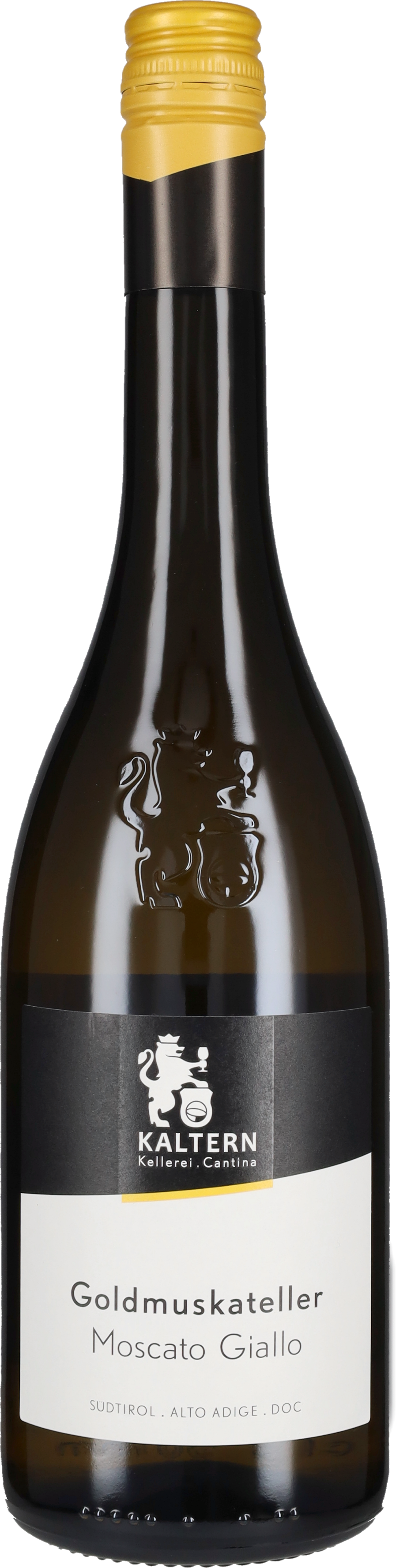
Cantina di Caldaro - Kellerei Kaltern Moscato Giallo Cantina di Caldaro Kaltern 2025The Moscato Giallo is a true specialty of the Cantina di Caldaro, made from a grape variety cultivated for centuries in these lands and which has adapted very well to the cool climate of the Alto Adige region. It is a sweet and slightly aromatic wine, particularly suited to be enjoyed with simple desserts, such as a fruit tart with peach or apricot jam or with small pastries. It is a wine that seduces with the perfect balance between the soft sweetness of the fruit, enhanced by the generous residual sugar, and the typical freshness of the great mountain whites. A delightful and surprising bottle. The Moscato Giallo Cantina di Caldaro wine is the result of one of the largest and most important realities in Alto Adige. It manages over 450 hectares of vineyards, which are supplied by 650 small growers who passionately cultivate their vines. The Moscato Giallo grapes come from different plots located in hilly areas at an altitude between 350 and 400 meters above sea level, with a sunny exposure facing south andsoutheast, which guarantees excellent ripening of the grapes. The cool and ventilated climate, with significant temperature fluctuations, favors the development of very intense aromas and fragrances. At the end of the harvest, the grapes are taken to the winery, where they undergo a cold maceration for 12 hours followed by a soft pressing to extract only the precious free-run must. Fermentation takes place in stainless steel tanks at a controlled temperature of 18 °C. Before proceeding to bottling, the wine matures for about 3 months in steel on the fine lees, in order to acquire greater richness and aromatic complexity.The Moscato Giallo Cantina di Caldaro is a very interesting label, with great varietal and territorial typicity. In appearance, it presents a bright straw yellow color with brilliant slightly golden reflections. The olfactory profile is very elegant and intense, with aromas of ripe yellow fruit, peach, candied citrus peel, hints of soft spices and nuances of vanilla. The entry on the palate is harmonious and seductive, with an aromatic12,00 £*Shipping: 48,00 £Secure redirect to the provider
-
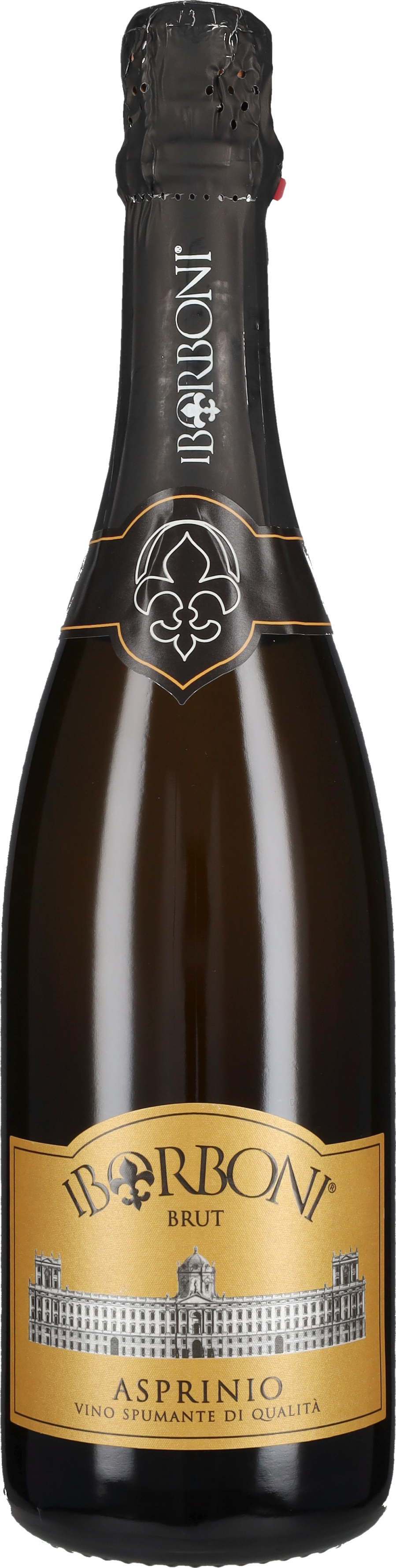
Spumante Brut di Asprinio I BorboniThe Spumante Brut di Asprinio from the winery I Borboni is made using the Martinotti or Charmat Method, which brings to the forefront and enhances the floral and fruity aspects, the natural and lively citrus freshness of the native grape variety Asprinio di Aversa. It is a simple and lively sparkling wine, which confirms the remarkable predisposition of this ancient variety to create excellent sparkling bases. Its fresh and savory taste profile makes it particularly suitable to enjoy during the aperitif or to accompany seafood appetizers. Absolutely unbeatable with a mozzarella di bufala casertana. The Brut di Asprinio is a sparkling wine with a typically territorial face, which interprets and enhances the most typical and classic characteristics of this native Campanian grape variety. Even when harvested at full ripeness, the grapes retain a freshness that has always proven perfect for creating sparkling bases. It is precisely from these considerations that the winery I Borboni produces Sparkling Wines using the Martinotti Method, that is, with refermentation in autoclave.of the base wines. The grapes come from old vines cultivated according to the ancient method of the aversana pergola, already cherished by the Etruscan populations. Taking advantage of its nature as a climbing vine, the vine is trained using tall poplar trees as support. The plants, still on their own roots thanks to the sandy soils, grow with their shoots so high that the harvests are done with long ladders. A piece of the history of viticulture that has miraculously preserved itself until today. The Asprinio sparkling wine from the I Borboni winery is produced with base wines vinified and aged for a few months in steel tanks. The wine is then transferred to an autoclave for the sparkling process and the second fermentation, lasting a total of six months. In the glass, it has a bright straw-yellow color with greenish reflections. The foam is delicate and the perlage is fine. The bouquet expresses aromas of white flowers, citrus notes, lime zest, and aromatic herbs. The sip is lively and vertical with a subtle fruit and a zingy citrus freshness that accompaniestowards a savory finish.19,00 £*Shipping: 48,00 £Secure redirect to the provider
-
What does 'Rucke di guck, Rucke di guck, Blut ist im Schuh' mean?
"Rucke di guck, Rucke di guck, Blut ist im Schuh" is a German nursery rhyme that translates to "Rock-a-bye baby, blood is in the shoe" in English. The rhyme is a traditional lullaby that tells the story of a baby being rocked to sleep while blood is found in their shoe, which is a metaphor for the baby being cared for and protected. The rhyme is meant to soothe and comfort children as they drift off to sleep. **
-
How did Lady Di die?
Lady Diana, Princess of Wales, died in a car crash on August 31, 1997, in Paris, France. The car she was traveling in crashed in the Pont de l'Alma tunnel while being pursued by paparazzi. The crash resulted in her tragic death, along with her companion Dodi Fayed and their driver Henri Paul. The exact circumstances surrounding the crash have been the subject of much speculation and controversy. **
-
What is Lido di Ostia?
Lido di Ostia is a popular seaside resort town located near Rome, Italy. It is known for its long sandy beaches, lively promenade, and vibrant nightlife. Many locals and tourists visit Lido di Ostia to enjoy the sun, sea, and various water sports activities. The town also has a number of restaurants, bars, and shops, making it a popular destination for day trips from Rome. **
-
What is Lido di Jesolo?
Lido di Jesolo is a popular seaside resort town located on the Adriatic coast of Italy. It is known for its long sandy beaches, vibrant nightlife, and family-friendly atmosphere. Lido di Jesolo offers a wide range of hotels, restaurants, and entertainment options, making it a popular destination for tourists looking for a beach holiday in Italy. The town also has a beautiful promenade lined with shops, bars, and cafes, making it a lively and enjoyable place to visit. **
* All prices are inclusive of VAT and, if applicable, plus shipping costs. The offer information is based on the details provided by the respective shop and is updated through automated processes. Real-time updates do not occur, so deviations can occur in individual cases. ** Note: Parts of this content were created by AI.